

Natural solid wood, prized for its unique grain and warm feel, is a favorite in handmade crafts, furniture, creative design, and high-end tool handles. Each wood type differs in hardness, grain pattern, color, and ideal uses. Here’s a quick guide to ten popular woods—what they look like, how tough they are, and where they shine.
1. Beech wood

Look & Feel
Look & Feel: Cream to light brown, very even fine grain, smooth and warm when sanded.Light beige to light brown, with fine and uniform grain. The surface is smooth and warm to the touch after polishing.
Strength
Strength: Medium-high hardness, stable if kept properly dried.
Uses
Uses: Combs, massage brushes, tool handles; chair and table legs; flooring planks.
Highlights
Highlights: Easy to machine and sand, light color works with clear finishes, budget-friendly.
2. Maple
Look & Feel
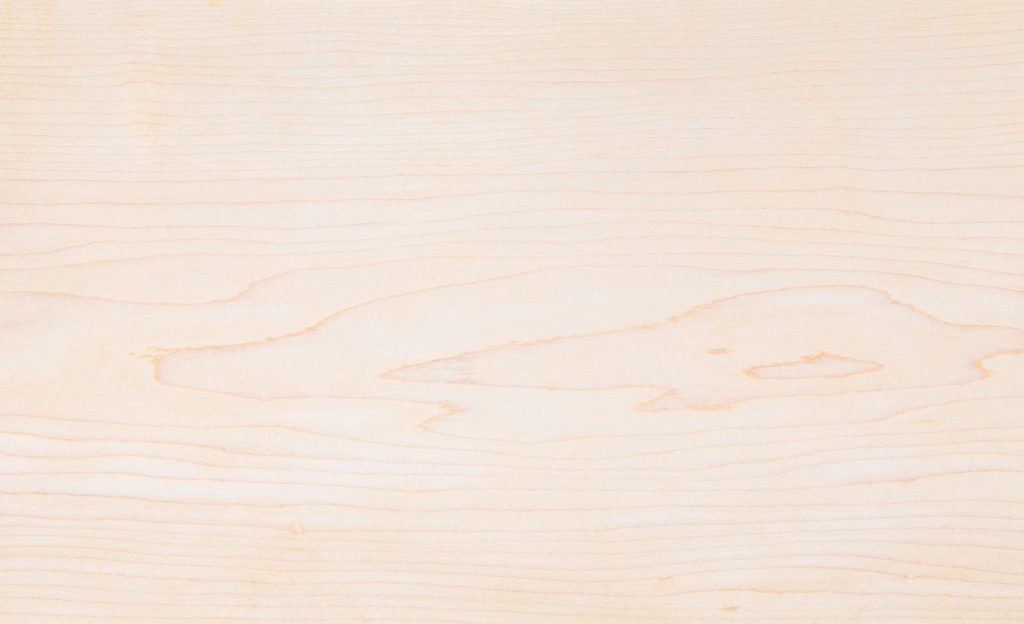
Look & Feel: Creamy white to ivory, straight fine grain (sometimes wavy), soft sheen.
Strength
Strength: Hard and dense, excellent wear resistance, resists warping.
Uses
Uses: Cutting boards, trays, utensil bases; tabletops, chair seats; musical instrument parts; children’s crafts.
Highlights
Highlights: Scratch-resistant, easy to clean, mid-range cost.
3. Walnut

Look & Feel
Look & Feel: Rich dark brown with purple or chocolate tones, bold contrasting grain.
Strength
Strength: Medium-high hardness with slight natural oiliness, very stable.
Uses
Uses: Premium furniture tops and doors; luxury boxes; instrument details; high-end tool handles.
Highlights
Highlights: Elegant, luxurious finish—deep, oily glow when well-finished.
4. Rosewood

Look & Feel
Look & Feel: Deep reddish-brown to purple, often streaked or dotted with black.
Strength
Strength: Extremely dense and hard, naturally moisture-resistant.
Uses
Uses: High-end instrument fingerboards; fine carvings; collectible décor; luxury handles.
Highlights
Highlights: Rare and fragrant, prized for small premium projects.
5. Wenge wood

Look & Feel
Look & Feel: Very dark brown to almost black, with tight deep-brown stripes.
Strength
Strength: Extremely hard and tough; natural oils resist moisture.
Uses
Uses: Luxury flooring strips; modern furniture accents; interior trim; upscale tool handles.
Highlights
Highlights: Dramatic, modern look—best in well–lit spaces.
6. Poplar wood

Look & Feel
Look & Feel: Pale yellow to off-white, plain straight grain.
Strength
Strength: Soft and lightweight, stable but less load-bearing.
Uses
Uses: Hidden furniture frames (backs, drawer bottoms); prototypes; light decorative items.
Highlights
Highlights: Very affordable and easy to machine; often veneered or painted.
7. Pine

Look & Feel
Look & Feel: Light yellow to pale brown, rustic knots and rings.
Strength
Strength: Softwood, easy to cut and sand but less scratch- and load-resistant.
Uses
Uses: Structural frames; children’s furniture; country-style paneling.
Highlights
Highlights: Very budget-friendly; knots add character; needs sealing against resin seep-through.
8. Birch

Look & Feel
Look & Feel: Very light, slight pink tint, straight fine grain.
Strength
Strength: Medium hardness, stable when dry.
Uses
Uses: Furniture panels; shelving; minimalist small items (trays, stands).
Highlights
Highlights: Uniform appearance; great for veneers; light color contrasts well with darker woods.
9. Oak

Look & Feel
Look & Feel: Medium to light brown, coarse pronounced grain and streaks.
Strength
Strength: Very hard and dense; excellent wear and bend resistance; naturally stain-resistant.
Uses
Uses: Dining tables, seating surfaces, flooring, stair treads, heavy-use furniture.
Highlights
Highlights: Legendary durability; develops rich patina over time.
10. Golden Teak

Look & Feel
Pale gold background with fine golden or dark streaks, warm layered sheen.
Strength
Hard with moderate density; outstanding moisture and insect resistance.
Uses
Luxury tabletops and floors; indoor trim; outdoor furniture; premium tool handles.
Highlights
Elegant golden glow, ideal for humid or outdoor settings.
How to Choose the Right Wood?
By Use & Durability
Frequent-use items (boards, combs, handles): Maple, Beech, Walnut, Oak
Load-bearing or flooring: Oak, Wenge, Golden Teak
Decorative or luxury accents: Walnut, Rosewood, Wenge
Structural cores or budget parts: Poplar, Pine, Birch
By Color & Grain
Light, uniform: Maple, Birch
Dark, dramatic: Walnut, Rosewood, Wenge
Warm, golden: Golden Teak
By Budget & Machining
High-end woods (Rosewood, Wenge, Golden Teak) cost more and need special tools.
Mid-range (Beech, Maple, Walnut, Oak) balance beauty and ease of machining.
Budget-friendly (Poplar, Pine, Birch) suit volume production or hidden parts.
Mastering the appearance, hardness, and applicable scope of these ten common solid woods is the key to material selection. Beech, maple, and walnut are common entry-level choices in the market; rosewood and wenge belong to high-end hardwoods and are mostly used for boutiques and high-end customization; poplar, pine, and birch are mostly used for structures or base materials; oak is widely favored for its excellent durability and natural rustic feel; golden teak combines luxurious luster and moisture-proof performance, suitable for a variety of high-end applications. I hope this introduction can help you choose solid wood more easily!
Need advice for your project?
What you’re making and the style you want
Size and load requirements
Your budget or order quantity
We’ll recommend the best wood, machining, and finishing—and handle laser engraving, wood burning, assembly, packaging, and warehousing for a seamless one-stop solution.